Pumpkin Seed Oil: The Complete Guide
Pumpkin seed oil is one of Europe’s most unique culinary oils. Known for its deep emerald color and rich nutty flavor, it has been produced for centuries in the Austrian region of Styria.
Today pumpkin seed oil is valued both for its distinctive taste and its nutritional profile, making it popular in kitchens around the world.
This site is dedicated to explaining everything about pumpkin seed oil — from how it is made to how it is used in cooking and why it has become such a respected traditional food.
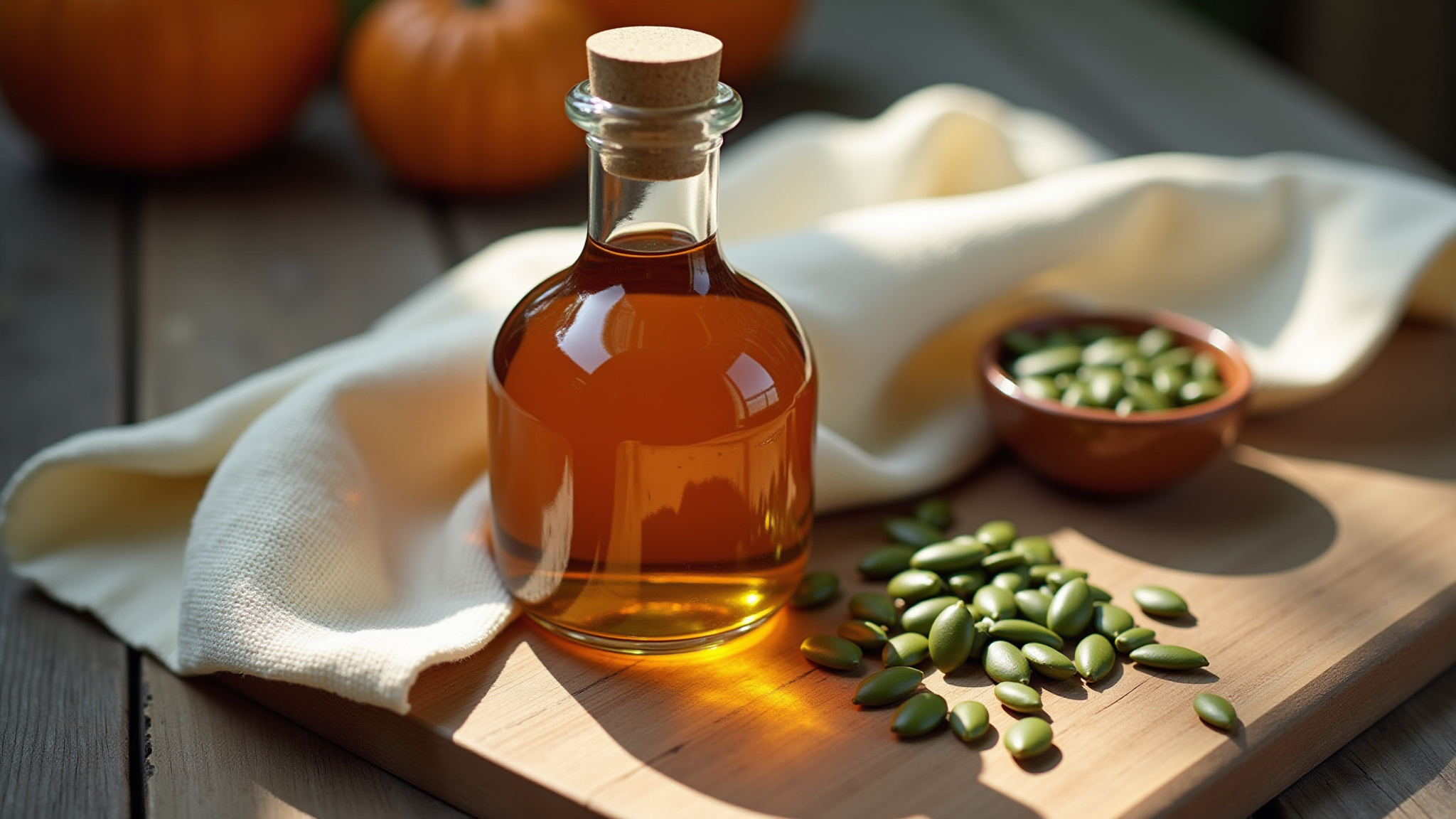
What Is Pumpkin Seed Oil?
Pumpkin seed oil is produced by pressing roasted pumpkin seeds into a thick, dark green oil with a rich nutty flavor.
It is most famous in Austria and Slovenia, where it is known as Styrian pumpkin seed oil and is protected by a European geographical designation.
Learn more:
→ What Is Pumpkin Seed Oil
(link to first article)
Health Benefits of Pumpkin Seed Oil
Pumpkin seed oil contains several naturally occurring compounds including:
-
polyunsaturated fatty acids
-
antioxidants
-
phytosterols
-
vitamin E
These nutrients have been studied for potential benefits related to cardiovascular health, prostate health, and overall nutrition.
Learn more:
→ Pumpkin Seed Oil Health Benefits
How Pumpkin Seed Oil Is Made
Traditional pumpkin seed oil is produced by roasting pumpkin seeds and pressing them into oil.
This roasting process creates the oil’s distinctive flavor and color.
Learn more:
→ How Pumpkin Seed Oil Is Made
How Pumpkin Seed Oil Is Used in Cooking
Pumpkin seed oil is rarely used for frying. Instead, chefs typically use it as a finishing oil to enhance dishes.
Popular uses include:
-
salads
-
soups
-
roasted vegetables
-
pasta
-
desserts
Learn more:
→ How to Use Pumpkin Seed Oil
Styrian Pumpkin Seed Oil
The most famous pumpkin seed oil in the world comes from the Austrian region of Styria, where the oil has been produced for generations.
The pumpkins used for this oil are unique because their seeds grow without hard shells, making them ideal for oil production.
Learn more:
→ Styrian Pumpkin Seed Oil
Choosing High Quality Pumpkin Seed Oil
Pumpkin seed oil is sensitive to light, heat, and oxygen. These factors can gradually degrade its flavor and nutritional qualities.
For this reason, careful packaging and storage are important to preserve freshness.
High-quality oils are typically packaged in ways that protect them from light and air exposure.
Learn more:
→ How to Choose Pumpkin Seed Oil
Explore More About Pumpkin Seed Oil
This site contains detailed guides covering every aspect of pumpkin seed oil, including:
-
nutrition
-
culinary uses
-
traditional production
-
scientific research
-
quality and storage
Browse the articles to learn more about one of Europe’s most fascinating culinary oils.
Latest Articles


Resources
Essential Information
Our comprehensive resources encompass articles, recipes, and detailed guides, ensuring that food enthusiasts have everything they need to explore pumpkin seed oil. From its health benefits to culinary uses, we cover it all.
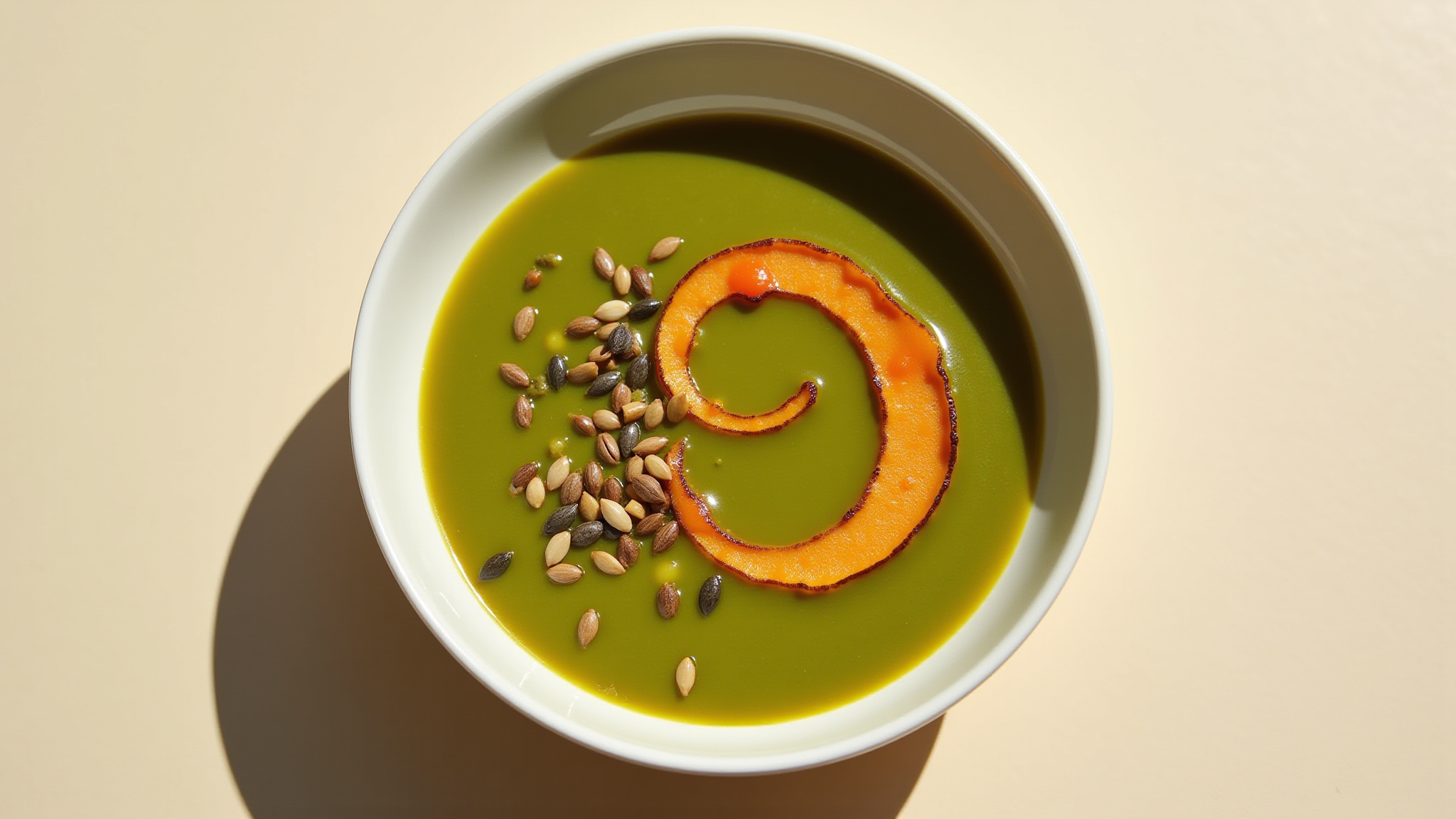
Articles
Insightful Reads
Explore our diverse range of articles that delve into the history, benefits, and culinary applications of pumpkin seed oil, enhancing your knowledge and cooking skills.
Recipes
Delicious Creations
Our collection of recipes showcases unique and delicious ways to incorporate pumpkin seed oil into your dishes, helping you elevate your culinary repertoire.
FAQs
Common Questions
Explore our FAQ section to address common inquiries regarding pumpkin seed oil, its uses in cooking, and its health benefits, ensuring you have all the answers you need.